Paintball
Paintball Guns South Africa: How to Choose Your First Marker (2026 Buying Guide)
Sep
Paintball is one of the cheapest adrenaline fixes in South Africa once you own your own gear. Field entry and rentals at a good Gauteng or Cape Town venue will set you back R250–R450 a session, and rental markers are serviceable at best — noisy, inefficient and shot-in by a thousand strangers. Sooner or later every regular player asks the same question: which paintball gun should I actually buy first?
Straight answer: a mechanical .68 calibre marker you can maintain yourself, with a hopper, a decent mask and a CO2 or HPA setup — bought as a combo if you can. Here’s how to work through the decision properly.
Mechanical, Pump or Electro: Pick Your Firing System
This is the first fork in the road, and it decides your budget more than anything else.
Mechanical (the default choice)
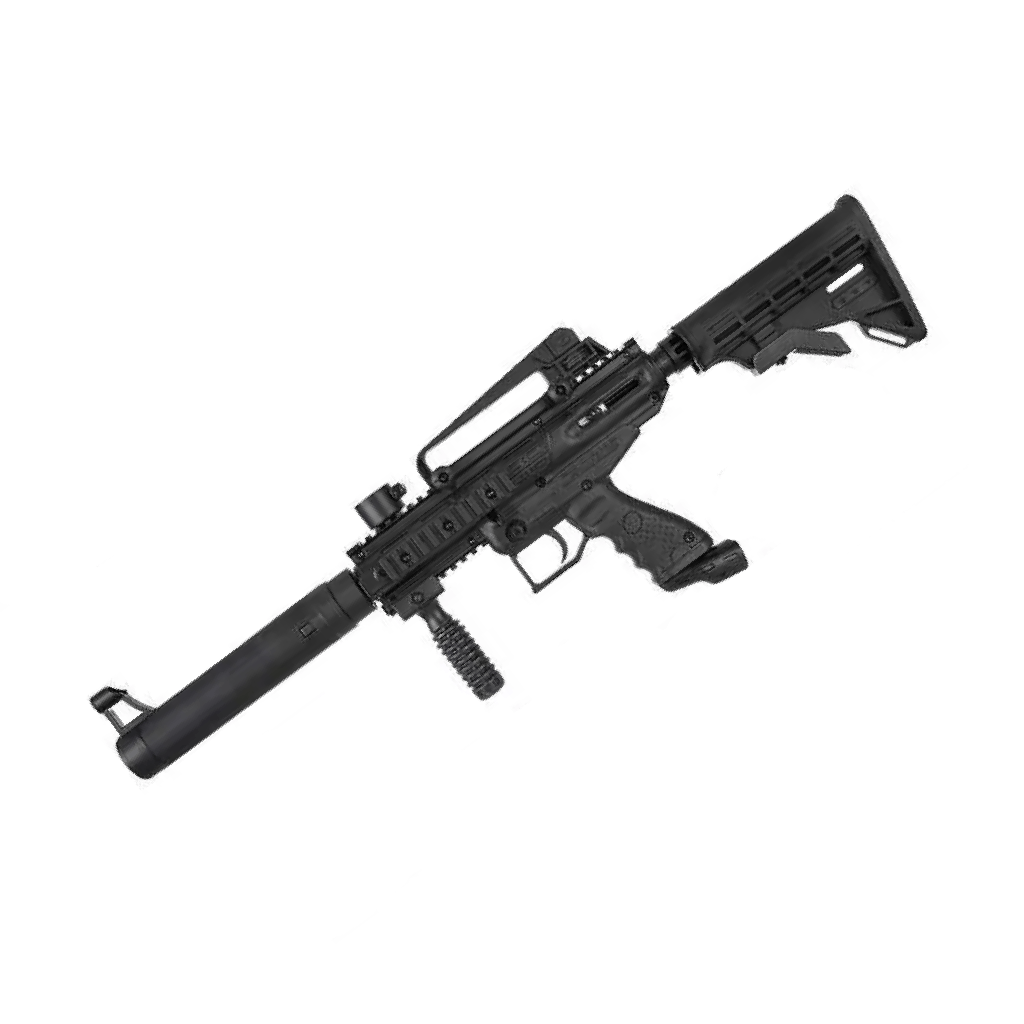
Mechanical markers fire off CO2 or compressed air with no battery and no circuit board. Pull the trigger, the sear releases, paint goes downrange. They’re the Tippmann Cronus and Spyder Aggressor school of paintball: forgiving in the cold, simple to strip and clean, and easy to sell second-hand. For woodsball at your local field, this is where 90% of first-time buyers should land.
Pump (cheap to buy, expensive to master)
Pump markers make you re-cock manually between shots. They’re the cheapest way into ownership and they will teach you to move, pick your shots and not waste paint. If you’re patient and you like a challenge, a pump is a brilliant trainer. Just know what you’re signing up for on a speedball field against hoppers.
Electro (speed at a price)
Electronic markers add a board, solenoid and batteries for faster trigger response, ramping and lower operating pressure. They’re superb — once you actually play regularly and care about bps. As a first marker they’re usually overspend: more money up front, more maintenance, and a temperamental solenoid if you let dirt in. Buy your first electro as your third marker, not your first.
CO2 or HPA: The Air Question
Entry-level mechanical markers run happily on CO2, and screw-in 12g CO2 cartridges keep pistol-style and backup setups compact — the same thread you’ll find on the training markers and the cylinders we stock separately. Once you step up, a refillable HPA (compressed air) tank gives you more consistent velocity in winter and is kinder to electro seals. If your field sells HPA fills, factor a tank into your budget from day one; if it’s CO2-only, buy the marker that matches.
What Your Money Buys in Rands
Honest price bands as they stand locally:
- R2,500–R4,500: Entry mechanical markers and pump guns, sold as the marker alone. Solid, honest, upgradeable later.
- R4,500–R8,000: Proper starter packages — marker, hopper, mask and a CO2/12g setup, the Tippmann Cronus Tactical and Spyder Aggressor Ready-to-Play territory. This is the sweet spot for a first buy.
- R8,000–R15,000+: Mid-range electro and magfed platforms like the Valken M17, plus better tanks and masks.
Don’t blow the whole budget on the marker. A R1,500 thermal-lensed mask beats a R6,000 marker with a fogged-up rental mask every single game. If a starter combo gets you on the field with everything included for less than buying piece by piece, take the combo.
Woodsball, Speedball or Magfed?
How you play should shape the platform. Woodsball (bush and bunkers) suits mechanical markers with a cyclone-style feed — they eat dirt and keep cycling. Speedball rewards a low-profile electro with a hopper. Magfed — magazines instead of a hopper, like the M17 — is slower, more tactical and hugely satisfying for scenario play, but you’ll pay more per ball and reload deliberately. Most SA fields accommodate all three; pick the style you actually enjoy, not the one your mate plays.
Five Specs That Actually Matter
- Weight and balance: You carry it all day. Full-metal markers feel premium and cost you in fatigue.
- Barrel threads: Tippmann A5, Autococker and ion threads dominate aftermarket barrels. Check before you buy a fancy barrel.
- Air efficiency: Shots per tank decides how often you’re walking to the fill station. Mechanical blowbacks are thirstier; that’s the trade-off for simplicity.
- Upgrade path: Aftermarket barrels, triggers and regulators exist for the big brands. A Tippmann or Spyder will grow with you; a no-name clone won’t.
- Parts availability in SA: O-rings, bolts and seals locally stocked beat anything you have to ship from overseas mid-season. Buy brands your local shop actually services — it’s why we stick to Umarex, Tippmann, Valken and Spyder lines.
Stay Legal, Stay Safe
Good news: paintball markers are legal to own in South Africa without a firearm licence — they’re sporting equipment, not firearms. Fields set chrono limits (typically around 300 fps) and mask-on rules in the playing area; respect both, because a point-blank shot without a mask is how people lose eyes. Store your marker unloaded, tanks disconnected and out of reach of kids.
Gear Up Properly, First Time
A first marker should be boring in the best way: mechanical, .68 cal, from a brand with local parts, wearing a mask that doesn’t fog. Browse the full range of paintball markers and paintball gear we stock, or start with a ready-to-play paintball package and you’re field-ready this weekend. If you’re unsure between two setups, ask us — we’d rather talk you into the right marker once than sell you the wrong one twice.